Bring Nature Into Your Life 🌱
Discover the beauty of plants and learn how they can make your home healthier, happier, and more beautiful.
Explore Plants
Discover the beauty of plants and learn how they can make your home healthier, happier, and more beautiful.
Explore Plants
Beautiful plants that are perfect for your home.

A beautiful tropical plant with large decorative leaves. It is perfect for adding a natural look to your room.

An easy-to-care-for indoor plant that can tolerate different lighting conditions.

A gorgeous indoor plant known for its elegant flowers and lush green leaves.
Plants can make our environment better in many ways.
Plants contribute to a fresh and pleasant indoor environment.
Green spaces can create a peaceful and relaxing atmosphere.
Growing plants helps create greener and more beautiful spaces.
Explore the beauty of the natural world.


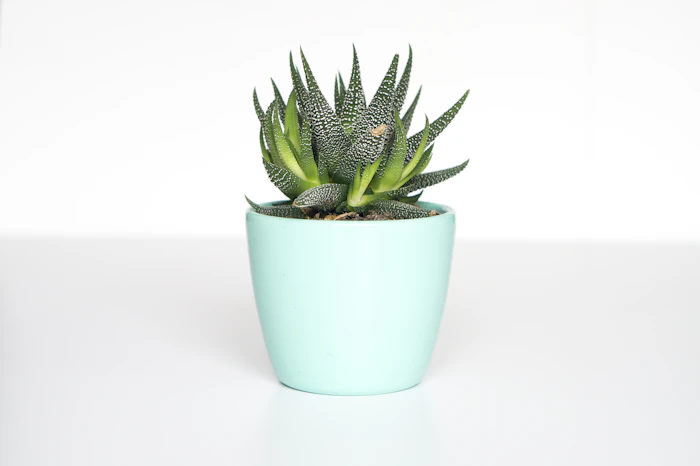
Plants are one of the most important parts of our planet. They provide food, oxygen, shelter and beauty while helping create a healthier environment for people and animals.
Explore Plants Learn More

Plants are living organisms that are found almost everywhere on Earth. They include trees, flowers, grasses, vegetables, fruits, herbs, shrubs and many other forms of vegetation.
Most plants use sunlight, water and carbon dioxide to produce their own food through a natural process called photosynthesis.
Plants are essential to life because they provide oxygen, food and habitats for many living organisms. They also play an important role in maintaining healthy ecosystems.
From a tiny flower growing in a garden to a giant tree in a forest, plants make our world greener and more beautiful.
Plants come in many different shapes, sizes and colors. Here are some common categories.

Trees are large plants with strong woody stems. They provide shade, oxygen, fruits and homes for countless animals and insects.

Flowering plants produce colorful flowers that attract bees, butterflies and other pollinators. They also make gardens beautiful.

Indoor plants are grown inside homes and offices. They can add natural beauty and create a more comfortable living environment.

Herbs such as mint, basil, coriander and rosemary are useful plants that can be grown in gardens or containers.

Vegetables provide important nutrients and can be grown in home gardens, farms and containers.

Succulents store water in their leaves and stems. Many varieties require relatively little watering and are popular indoor plants.
Plants provide important environmental, social and economic benefits.
Through photosynthesis, plants release oxygen that supports humans and many other living organisms.
Fruits, vegetables, grains, nuts, herbs and many other foods come directly from plants.
Plants help ecosystems by supporting wildlife and contributing to healthy soils and natural habitats.
Plants release water vapor through transpiration, which contributes to the natural water cycle.
Gardens, trees and flowers make homes, parks and communities more attractive and enjoyable.
Plants provide food, shelter and nesting places for birds, insects and other animals.
Good plant care helps plants grow healthy and strong.
Different plants need different amounts of sunlight. Before placing a plant, learn whether it prefers bright sunlight, indirect light or shade.
Avoid watering plants too frequently. Check the soil first and water according to the plant's needs. Too much water can damage roots.
Healthy soil provides plants with nutrients and allows roots to receive air and water.
Remove dead or damaged leaves and stems regularly. This can keep plants looking healthy and helps you notice potential problems.
Some plants benefit from additional nutrients. Use an appropriate fertilizer and follow its instructions rather than applying too much.
Inspect leaves and stems regularly for insects, discoloration or other signs of plant problems.
Plants are more fascinating than they may appear.
Trees can live for many decades and some species can survive for centuries.
Plants respond to light, gravity, water and changes in their surroundings.
Seeds contain the beginning of a new plant and can remain dormant until conditions are suitable.
Many flowering plants depend on pollinators such as bees and butterflies for reproduction.
You don't need a huge garden to start growing plants.
Gardening can be a rewarding hobby for people of all ages. You can begin with a few pots on a balcony, a small backyard garden or even a sunny windowsill.
Beginners should start with a few easy-to-care-for plants. This allows you to learn how watering, light and soil affect plant growth.
Containers should have drainage holes so excess water can escape. Choose a container that gives the plant enough room for its roots.
Observe how much sunlight your garden, balcony or room receives during the day. Choose plants that match those conditions.
Plants take time to grow. Regular care, observation and patience are important parts of successful gardening.
Explore different examples of plants and nature.


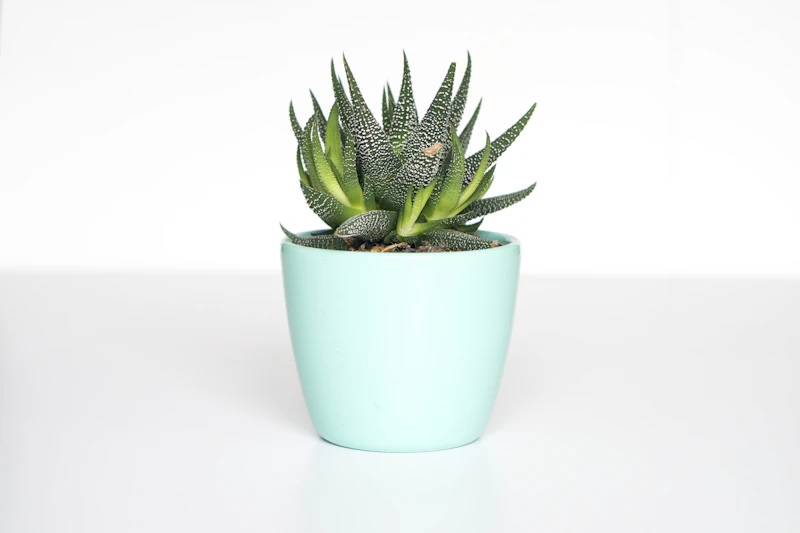
Common questions about growing and caring for plants.
There is no single schedule for every plant. Watering depends on the plant species, soil, container and environmental conditions. Check the soil and follow the needs of your particular plant.
Yes. Many plants grow well indoors when they receive suitable light, water, temperature and care.
Yellow leaves can have several causes, including watering problems, insufficient light, aging leaves, nutrient issues or pests. Check the plant's growing conditions before changing its care routine.
Yes. Plants are important components of ecosystems. They provide habitats and food, participate in carbon and water cycles, and help support biodiversity.
Send us your questions, gardening ideas or feedback.